Fire Sprinkler Inspection Guide for Houston Businesses
Your fire sprinkler system sits overhead and stays quiet until you need it. But small building changes can chip away at coverage without anyone noticing, such as a bumped valve during a remodel, a blocked riser, or clutter near piping. At Kauffman Co in Houston, we help facility teams stay ready with inspections, testing, and reports you can file fast and pull up when asked.
Understanding NFPA 25 Sprinkler Requirements
NFPA 25 is the standard that lays out how existing water-based fire protection systems should be inspected, tested, and maintained. It applies to sprinkler heads, control valves, and alarm devices tied to water flow, plus related components that support the system. It also calls for documentation, because missing records can create problems during a review. When someone says NFPA 25 sprinkler requirements, they usually mean the testing steps and the records that back them up.
How Often Inspections and Tests Happen
A fire sprinkler program isn’t a once-a-year appointment. It is a mix of quick checks and scheduled tests. Many facilities do regular visual reviews of valve positions, gauge condition, and obvious leaks at risers. Those checks catch issues that can take a system out of service fast, like a shut control valve or a broken gauge. On a separate schedule, functional tests confirm that waterflow alarms and supervisory signals work under flow.
A good commercial sprinkler inspection plan also accounts for less frequent items that take more planning. Fire pumps, if you have them, follow their own testing routine. Some properties schedule internal pipe inspections to check for rust, scale, or obstruction risk. The right frequency depends on your system type and occupancy, so it helps to work with a qualified inspector who can match the schedule to your site.
What Inspectors Look for During an Evaluation
Most commercial sprinkler inspections start at the riser and the water supply. Inspectors confirm that valves are accessible and in the correct position, then they review gauges for normal readings. They check drains and test connections. They also look for leakage at fittings and unions. Outside, they check the fire department connection for intact caps, clear access, and signs of damage or corrosion.
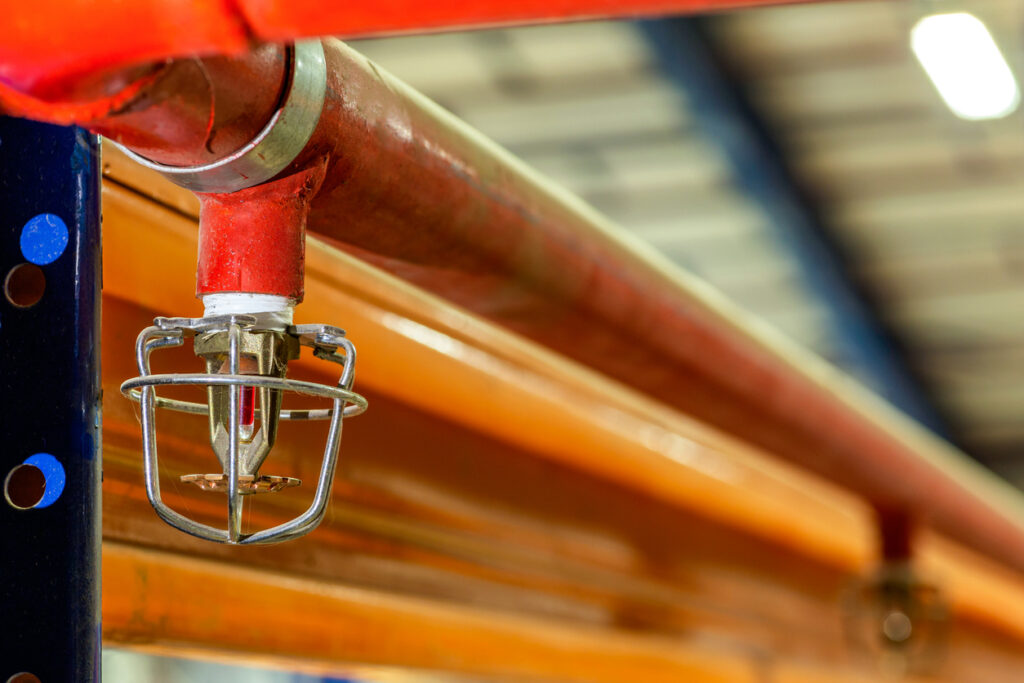
Inside the building, sprinkler heads and coverage come next. Heads should be free of paint, heavy dust, grease buildup, and impact damage. Clearance matters too. Storage placed too close below a head can block spray patterns and reduce coverage. Inspectors also look for layout changes like new walls, ceiling updates, or equipment that creates blind spots the original design never planned for.
Common Deficiencies That Lead to Write-Ups
Many issues come from daily habits, not failed parts. Riser rooms turn into storage closets. People hang signs from the piping. Inventory stacks higher until it sits too close to sprinklers. Another common problem is a valve left partially closed. The handle may look almost open, but the supply is still not fully open.
Wear-and-tear issues show up often, too. Corroded fittings, broken gauge faces, missing caps, and slow seepage at joints can lead to corrections. In food service areas, grease can build up on heads and make them look compromised. When a deficiency is found, repairs need to be documented, then followed by the right re-test so that the record shows the issue is resolved.
How Gulf Coast Weather Can Affect Performance
Heat and humidity can speed corrosion, especially in damp mechanical rooms, exterior cabinets, parking structures, and poorly ventilated spaces. Storm season can bring flooding that damages exterior components or limits access for testing and repairs. Power interruptions can affect fire pumps and monitoring equipment, so a post-storm check is worth doing even if the piping looks fine.
Cold snaps matter too. Exposed piping, backflow assemblies, and unheated rooms can freeze during a short freeze, then leak once temperatures rise. A seasonal check that targets vulnerable areas can prevent a weather event from turning into a sprinkler leak that disrupts operations.
Documentation You Need for Compliance
Documentation is where a lot of facilities stumble. Inspectors and insurers want proof of what was checked, when it happened, what failed, and how it was corrected. If records live in scattered emails and old work orders, reviews get messy fast. A simple sprinkler compliance checklist helps you keep inspection reports, deficiency notes, repair receipts, and closeout documentation in one place. If you do not yet have a sprinkler compliance checklist, now is the time to create one and maintain it.
services from Kauffman
Time for Your Fire Sprinkler Inspection in Houston
A sprinkler system can look fine on a casual walkthrough and still fail an evaluation because a valve is not set correctly, storage blocks proper sprinkler coverage, or a head is damaged. Regular checks, testing aligned with NFPA 25, and clean records reduce last-minute surprises and help protect your building in every season. At Kauffman Co., we perform inspections, testing, deficiency repairs, and reporting for commercial properties. Call Kauffman Co today to schedule sprinkler service and get a clear plan for your next inspection cycle.