At Kauffman Co., we want to wish everyone a safe and happy holiday season. Remember to practice good holiday fire safety when you decide to turn up the cheer this winter!
Click on each section in red to learn more about protecting your commercial building or office this season with our holiday safety guide.
Top Fire Hazards During the Holidays…And How to Prevent Them!
As much cheer as the season brings, the holiday also presents many fire hazards. As you gear up with jingles and holly, it’s important to keep your workplace a safe and fire-free environment.
Let’s work to keep the wishes warm—and not blazing. Here are the top fire hazards that are known to the holiday season:
Christmas Trees | Flammable Decorations | Light Strings | Lit Candles
Improper Use of Heating Systems | Overloaded Electrical Outlets
- Use non-flammable decorations – if a fire were to occur, this will minimize the number of flammable items—such as wreaths, garland, etc.—that could be viewed as “kindling”
- Check lights and decorations for frayed wires or excessive wear – frayed wires could catch fire easily and spread throughout the strand of lights quickly. As a general rule, you should also only link a maximum of three strands of lights together
- Extinguish all candles before exiting a room – if your office doesn’t allow candles in the workplace, you can use safer battery-operated candles
- Keep Christmas trees away from heat and exits – if your office does have a tree, you’ll want a clear fire evacuation route free from any large obstructions (like a tree) to allow a safe exit for you and your employees
- Water your tree frequently – drier branches and leaves can ignite easily, so keep the tree far from any heat source, as seen by this video from the National Fire Protection Association (NFPA):
- Turn off all lights each night and before the weekend – never leave holiday lights on for extended unattended periods of time
- Don’t overload electrical outlets – electrical fires are common in office spaces that have larger equipment (like copiers, many computers, etc.). While it’s all right to be festive for the season, mind how many cords are leading to each socket and calculate the wattage from the outlet or extension cord
- Clean up after gift exchanges – if you and your coworkers do any present swapping, be sure to properly dispose of any packaging and wrapping paper promptly after you open the presents. These materials can be a fire hazard—both as a flammable material and obstruction for a safe building evacuation
- Never open presents near a lit fireplace – wrapping paper is extremely flammable and can ignite suddenly and cause a flash fire. Some types of wrapping paper also contain material that can produce sparks or create a dangerous chemical build up in the air of your house. Since wrapping paper burns hot and produces large flames, it can also ignite creosote in your chimney.
- Remove outdoor lights as soon as the season is over – they are not designed for prolonged exposure to cold weather and could be damaged after too long.
Rocking (Safely) Around the Christmas Tree
Every year, an average of 210 residential and commercial fires are caused by holiday trees. Follow these tips from the day you pick out your tree to the day you finally drag it out to the curb to keep your home and family safe.
Once the holidays are over, get rid of the tree without delay. Dried-out trees are a BIG fire danger, so don’t let one linger in your home, garage, or outside leaning against the house. A dried-out Christmas tree can go up in flames within seconds!
Never burn the branches or needles in the fireplace. Fir and pine trees are filled with sap, which can be explosive and the needles burn up quickly and fiercely, like tinder. Flames from a burning Christmas tree can flare up quickly and send sparks flying across a room or can ignite creosote in your chimney and cause a chimney fire.
Hanging Your Decorations with Care
Flammable decorations can be big fire hazards as both homes and offices deck the halls in preparation for the holiday season. To be safe, choose flame-resistant decorations to help stem the spread of a fire if one breaks out. Wreaths and paper garland could become kindling if a fire starts. Also, keep non-flammable decorations away from heat sources to further prevent a fire.
If you’re putting up older decorations that get plugged in, check for any damage. A frayed wire or broken bulb could create a spark that could easily start a fire. When selecting replacement holiday lights, make sure you use them in the correct setting. Some are rated only for indoor use while others are safe to use outside.
For hanging lights inside or out, read the instructions regarding how many lights you can safely string together. A maximum of three mini light strands is safe for older lights while a greater number of lower-heat-producing LED lights may be safe to put end-to-end. If you have an extensive light display, draw power from several circuits to prevent overloading a single one.
Then, when hanging lights, use clips instead of nails to prevent damaging the cords. Turn off lights before leaving or going to bed.
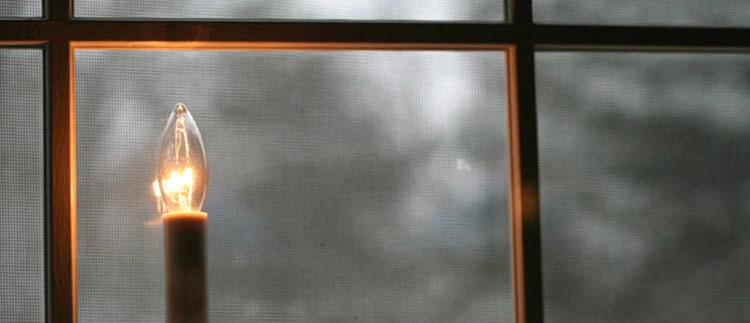
Holiday Candle Safety Tips
- Place candles on a sturdy counter or table away from the edge.
- Keep all lit candles at least one foot away from anything that can burn, including clothing, drapes, and bedding.
- Never leave children alone with lit candles, and keep matches and lighters out of children’s reach.
- Don’t let candles burn all the way down. Blow them out when they reach about one-quarter inch from the bottom of the holder or container.
- Blow out candles when you leave the room or go to bed. Avoid burning candles in the bedroom where you could accidentally fall asleep with the candle still lit.
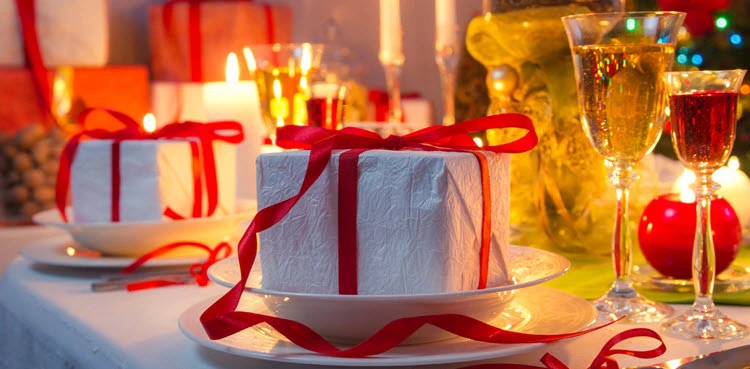
Entertain Guests Safely (While Still Keeping Them Warm)
While we rarely see a white Christmas in Houston, Texas, the temperatures frequently do get cold enough to merit many people turning on their home’s heating systems at least once during the holiday season.
And when your house is full of holiday guests, the last thing you want is a house fire! According to state Fire Marshal Paul Maldonado, “Home heating fires in Texas and the rest of the United States are mostly caused by human error, particularly through the misuse of portable heaters, wood stoves, and fireplaces.”
If you want to have a happy and safe holiday season, follow these holiday fire safety tips!
Test your smoke alarms before guests arrive. When preparing meals, don’t let distractions take you away from the kitchen while something is cooking.
Ask smokers to smoke outside and request that they keep their smoking materials with them so children don’t touch them. Provide large ashtrays for these guests so they have a safe way to dispose of cigarette butts outside.